Parker Vogel · 2 September 2026
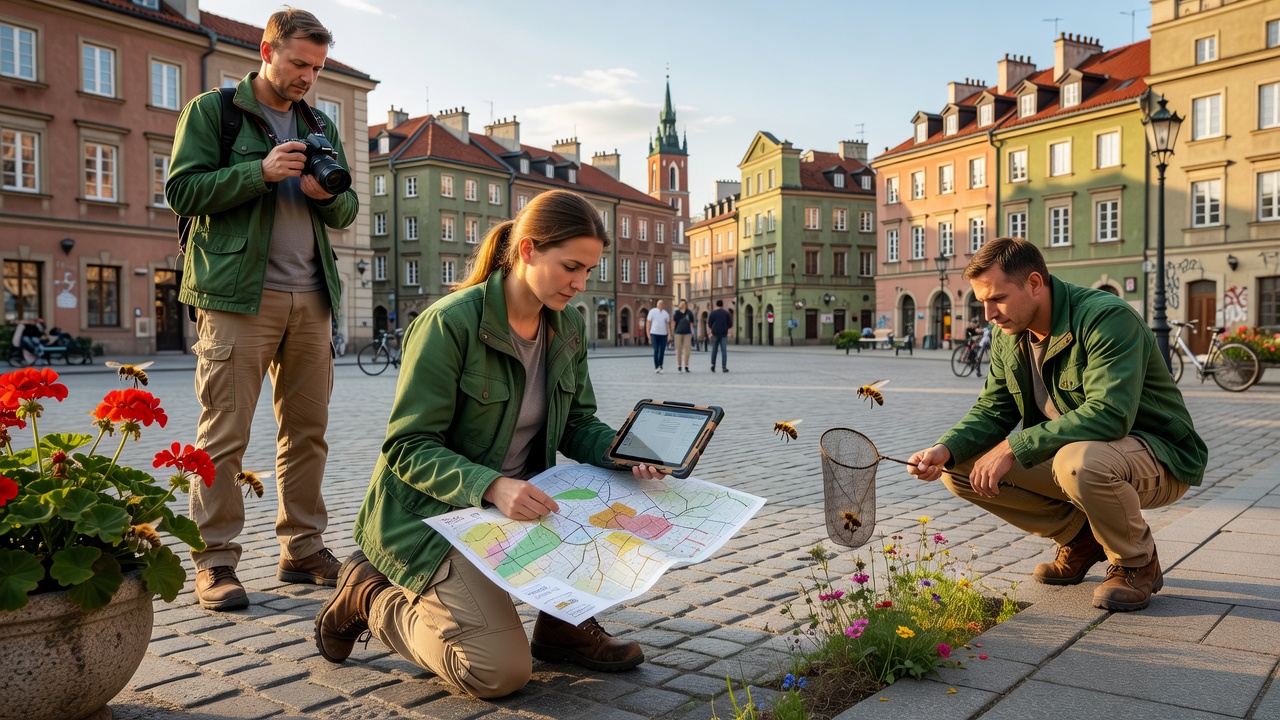
Polish researchers have completed a comprehensive mapping of urban bee corridors in Warsaw, highlighting critical pathways for pollinators in the capital city. This project sheds light on the importance of connected green spaces for bee populations. The initiative is part of broader efforts to support bee health in urban environments through scientific study and public engagement. Collaboration with local authorities ensured access to restricted green areas for accurate data gathering.
Mapping Techniques and Findings
The team used a combination of radio frequency identification tags and drone surveys to track bee movements across the city. They discovered that bees primarily use tree-lined streets and riverbanks as travel routes between different habitats. Several corridors were found to be under threat from ongoing urban development projects. The study identified five major corridors linking the Vistula River area with peripheral parks and green zones. Analysis revealed that areas with higher floral diversity supported more robust bee traffic throughout the seasons. Researchers noted seasonal variations with spring showing peak activity in certain zones while summer had different patterns. These findings underscore the need for targeted conservation efforts to protect these routes from further fragmentation. The research also involved collaboration with local beekeepers who provided valuable anecdotal evidence on bee behavior in the city helping validate the technological findings.
Impact on Education and Conservation
The mapping data is being integrated into educational programs focused on urban ecology and bee preservation at various institutions. Schools in Warsaw are incorporating the corridor maps into their curricula to teach students about pollinator protection and the role of cities in supporting wildlife. This initiative promotes awareness of how city planning can support biodiversity and maintain ecological balance. Experts believe that such education will foster long-term commitment to maintaining these vital bee paths among future generations. Continued research will monitor changes in corridor usage over time and adapt strategies accordingly based on new data collected from the field. Public workshops have been organized to share results and encourage community involvement in planting bee-friendly flora along identified routes.