Parker Vogel · 27 October 2026
Urban Beekeeping Cooperatives Forge Connected Habitats in Polish Cities
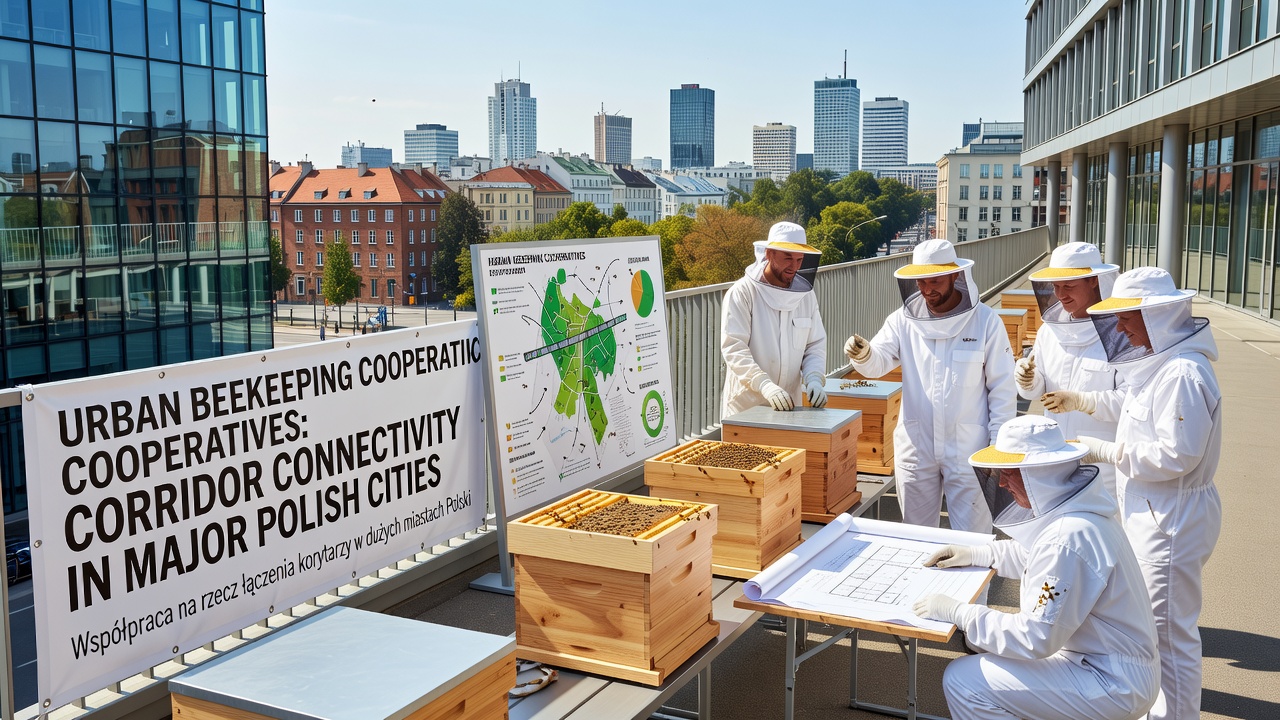
Cooperative groups managing urban hives in Warsaw, Krakow, Gdansk and Wroclaw have started sharing mapping tools and planting protocols to link scattered flower resources across city districts, and these efforts rely on coordinated planting of nectar-rich species along rooftops, rail lines and riverbanks. Data collected through shared apps shows hive survival rates rising in zones where corridors span at least 300 metres between patches of forage.
Cooperative Structures Across Regions
Members of the Warsaw Bee Network and the Krakow Pollinator Alliance exchange seed mixes suited to local soils, while groups in Gdansk coordinate with port authorities to maintain flowering strips beside container terminals. Researchers tracking tagged bees have recorded individuals travelling between these linked sites at rates three times higher than in isolated locations, and similar patterns appear in Wroclaw where cooperatives use vacant industrial plots as stepping stones.
Mapping and Monitoring Tools
Shared databases compile flight-path records from low-cost RFID tags fitted to worker bees, allowing cooperatives to identify gaps in connectivity before they become barriers. Figures released by the Polish Institute of Environmental Protection indicate that corridors maintained through these collaborations now cover more than 120 kilometres across the four cities, and updates to the maps occur quarterly through volunteer surveys.
Planting Strategies and Species Selection
Cooperatives prioritise native perennials such as viper's bugloss and red clover that bloom across staggered seasons, and they combine these with tree plantings along tram tracks to create vertical layers of forage. In October 2026 the groups plan a joint workshop in Gdansk to test drought-resistant cultivars, drawing on satellite imagery that highlights heat islands where additional irrigation may be required.
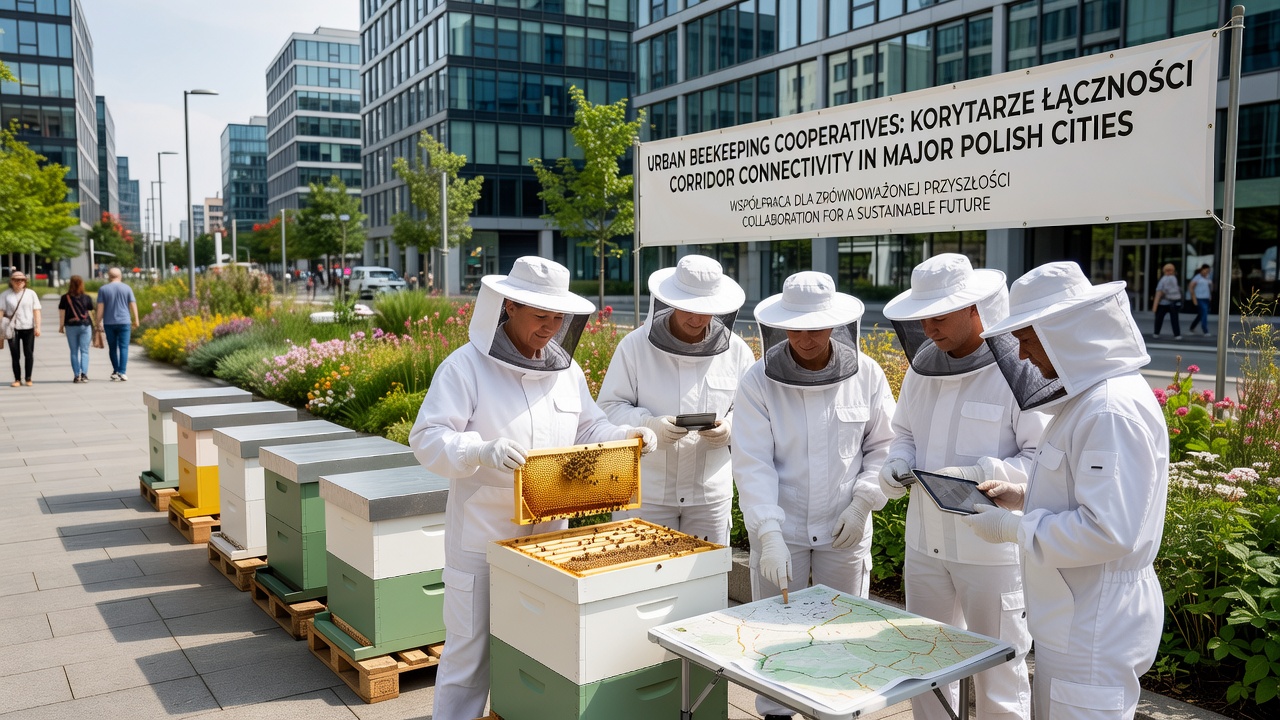
One study conducted by the University of Life Sciences in Lublin found that corridors incorporating at least four bloom periods per year support 40 percent more solitary bee species than single-season plantings, and cooperative members apply these findings when revising annual planting schedules. Abandoned rail spurs receive particular attention because their linear shape naturally guides bees toward larger green spaces at either end.
Partnerships with Municipal Authorities
City planning departments supply permits for rooftop installations and provide access to public land for corridor extensions, while cooperatives supply monitoring data that helps officials meet national biodiversity targets. According to the European Environment Agency reports on urban ecosystems, such public-private arrangements have contributed to measurable increases in pollinator diversity in several European capitals over the past five years.
Funding for these projects comes partly from EU LIFE programme grants and partly from local business sponsorships that offset costs of soil testing and hive equipment. Observers note that transparent data sharing between cooperatives and city offices reduces duplication of effort and speeds approval for new corridor segments.
Outcomes Measured Through Field Data
Counts of wild bee species along established corridors have risen steadily since 2023, and colony loss rates during winter have dropped below the national average in participating apiaries. A Canadian study on urban pollinator networks published by researchers at York University offers comparative figures showing similar gains when connectivity exceeds two kilometres, and Polish groups reference these benchmarks when setting expansion goals.
Regular meetings allow members to adjust corridor routes based on real-time observations of bee traffic, and apps used for logging sightings now include photo verification to maintain data quality. These practices keep the network responsive to seasonal shifts in flowering times caused by changing weather patterns.
Conclusion
Cooperative collaboration on corridor connectivity continues to expand through shared technology, species data and municipal partnerships that together support bee movement between urban green spaces in Poland's largest cities. Ongoing monitoring supplies the evidence needed to refine routes and maintain momentum into future planting seasons.