Rosa Lorenz · 2 September 2026
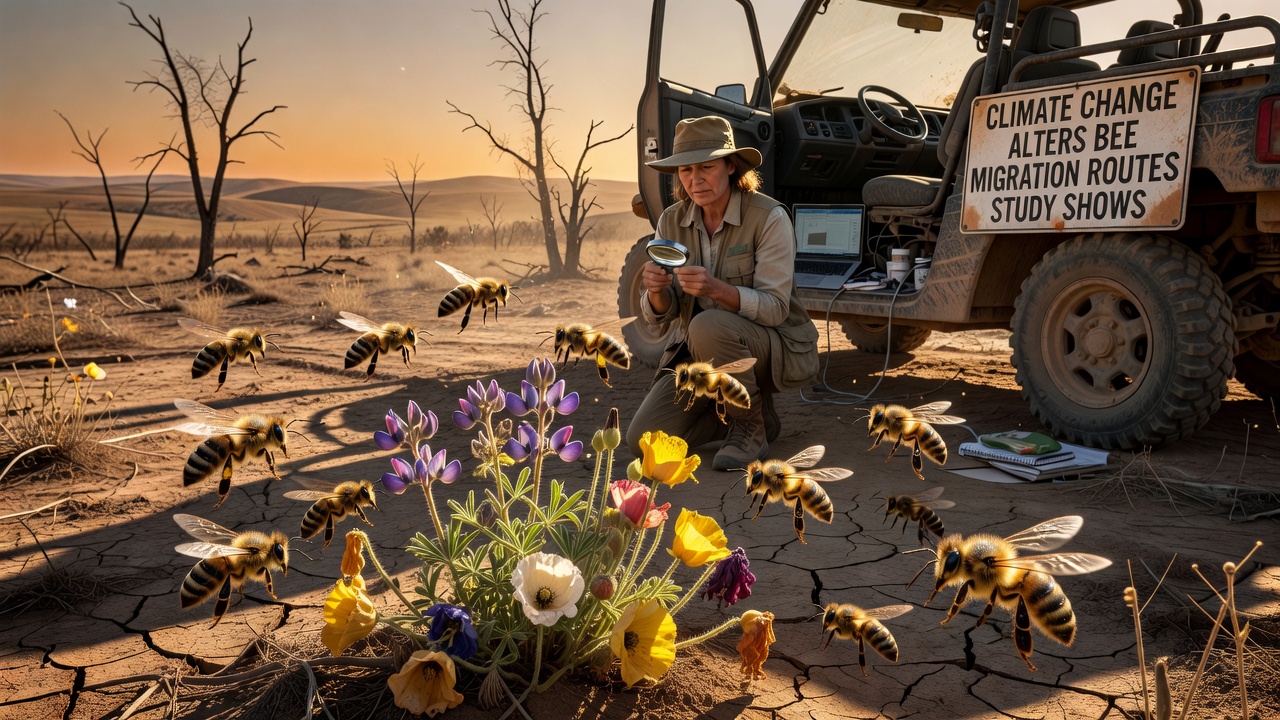
Researchers from several institutions have released a comprehensive study detailing how climate change is affecting bee migration routes. The investigation utilized long-term tracking data and climate models to predict future shifts in bee behavior. Bees play a crucial role in pollination, making these changes significant for agriculture and biodiversity worldwide.
Key Findings from the Climate Study
The study reveals that increasing global temperatures are prompting bees to alter their traditional migration paths. In particular, many species are moving to higher latitudes or elevations in search of suitable conditions. This shift has been observed across various continents, with notable examples in Europe and North America. Additionally, the timing of migrations has advanced by several weeks in some regions, leading to potential ecological imbalances. Scientists emphasize the need for continued monitoring to fully understand the long-term consequences of these alterations on bee populations and the plants they pollinate. The analysis included over five thousand bee colonies and used advanced statistical methods to correlate climate variables with movement patterns observed over twenty years.
Furthermore, the research highlights how extreme weather events associated with climate change, such as droughts and storms, can disrupt migration corridors. These events may force bees to take detours or delay their journeys, increasing energy expenditure and mortality rates. The data suggests that without intervention, certain bee species could face population declines due to these environmental pressures affecting habitat suitability and resource availability along routes.
Integrating Research into Bee Education
Educational initiatives at Bee Path Education are incorporating the study's results to enhance student understanding of environmental dynamics. Lessons now focus on the interconnectedness of climate, migration, and ecosystem health. Participants engage in projects that simulate route planning under different climate scenarios, promoting critical thinking skills and data analysis abilities essential for future researchers.
Community outreach programs have also been updated to inform the public about supporting bee habitats amid changing conditions. By raising awareness through these educational efforts, the organization hopes to contribute to conservation measures that mitigate the adverse effects identified in the research. Ongoing collaboration with scientists ensures that the curriculum remains current and relevant to real-world challenges facing pollinators globally today.